Employee Safety in Remote Field Operations: How MyLoneWorkers Elevates Modern Worker Safety
Table of Contents
- Why Employee Safety Is More Challenging in Remote Field Operations
- The Link Between Employee Safety and Worker Safety
- Common Employee Safety Risks for Field and Lone Workers
- Why Traditional Safety Approaches Fall Short/a>
- Industries Where Employee Safety Depends on Real-Time Worker Safety
- What Is MyLoneWorkers?
- How MyLoneWorkers Works in Real-World Field Operations
- Proactive Features That Elevate Employee Safety and Worker Safety
- Why Choose MyLoneWorkers for Modern Worker Safety?
- Building a Strong Employee Safety Culture in the Field
- Frequently Asked Questions About Employee Safety and Worker Safety
- Elevating Employee Safety in Remote Field Operations
Employee safety has become a defining priority for organizations operating beyond traditional workplaces. As more companies rely on remote, mobile, and lone workers to deliver essential services, employee safety risks increase—particularly in field operations where supervision is limited and environments are unpredictable. Ensuring consistent worker safety in these conditions requires more than policies and training; it demands real-time visibility, proactive monitoring, and rapid emergency response.
This article explores why employee safety is especially critical in remote field operations, the most common risks faced by lone and mobile workers, and how MyLoneWorkers helps organizations elevate modern worker safety through intelligent, cloud-based technology.
Employee safety refers to the policies, processes, and technologies organizations use to protect workers—especially lone and field-based employees—from risk, harm, and delayed emergency response while performing their duties.
Why Employee Safety Is More Challenging in Remote Field Operations
Remote field operations span industries such as construction, utilities, security, hospitality, maintenance, inspections, and facilities management. In these roles, employees often work:
 Alone or out of sight of supervisors
- During night shifts or irregular hours
- In unfamiliar or constantly changing locations
- Around physical, environmental, or security-related hazards
Unlike centralized workplaces, field environments cannot rely on immediate human oversight. When something goes wrong, delayed awareness and response can quickly turn minor incidents into serious emergencies. This is why employee safety strategies for remote teams must focus on prevention, early detection, and immediate intervention.
The Link Between Employee Safety and Worker Safety
While the terms are often used interchangeably, employee safety and worker safety address different layers of protection:
- Employee safety reflects the organization’s responsibility to protect its people, reduce liability, and ensure compliance.
- Worker safety focuses on the individual’s experience—feeling supported, protected, and able to call for help when needed.
Modern safety programs must address both. A strong employee safety framework empowers worker safety at the individual level, creating trust, accountability, and resilience across remote teams.
Common Employee Safety Risks for Field and Lone Workers
Understanding the risks remote employees face is the foundation of effective worker safety planning.
- Slips, Trips, and Falls : Uneven terrain, wet surfaces, poor lighting, and unfamiliar environments make falls one of the most common safety incidents in field work.
- Sudden Medical Emergencies : Heat exhaustion, dehydration, fatigue, and underlying medical conditions can escalate rapidly when workers are isolated.
- Violence and Security Threats : Security guards, hospitality staff, and maintenance teams may encounter verbal or physical confrontations without immediate backup.
- Missed Check-Ins and Delayed Response : When lone workers fail to report in or miss checkpoints, the delay in recognizing a problem significantly increases risk severity.
- Fatigue and Human Error : Extended shifts, night work, and repetitive tasks raise the likelihood of mistakes that compromise employee safety.
Addressing these risks requires continuous oversight rather than periodic check-ins—a challenge traditional safety models struggle to meet.
This shift from reaction to prevention is exactly what MyLoneWorkers enables.
Why Traditional Safety Approaches Fall Short
Conventional worker safety programs often rely on:
- Manual check-ins
- Paper-based risk assessments
- Post-incident reporting
- Static safety policies
While necessary, these methods are inherently reactive. In remote field operations, employee safety depends on knowing what is happening now, not hours later. This gap between incident and response is where modern safety technology becomes essential.
Industries Where Employee Safety Depends on Real-Time Worker Safety
Employee safety challenges are not uniform across industries. In remote field operations, certain sectors face heightened risks due to isolation, environmental hazards, public interaction, and time-critical response requirements. For these organizations, worker safety depends on real-time awareness rather than delayed reporting.
Below are key industries where proactive employee safety measures are essential to daily operations.
Construction and Utilities
Construction crews and utility workers operate in constantly changing environments involving heavy machinery, electrical systems, heights, and confined spaces. When employees work alone or across dispersed sites, even a short delay in response can lead to severe consequences. Real-time monitoring and automated alerts are critical to maintaining worker safety in these high-risk settings.
In high-risk environments like construction and utilities, proactive employee safety depends on continuous monitoring and automated emergency response. Learn how man down alarm systems improve safety for lone and field workers in hazardous conditions.
Security and Night Tours
Security officers frequently work alone, during off-hours, and in unpredictable situations. Confrontations, medical incidents, or slips and falls may occur without warning. Employee safety in security operations relies on immediate SOS access, discreet panic buttons, and continuous location visibility.
For workers who working alone during night shifts, immediate escalation tools are essential for worker safety. Discover why panic buttons are essential in high-risk lone working environments.
Hospitality and Facilities Management
Hotel staff, cleaning teams, and facilities personnel often work in isolation during night shifts or low-occupancy hours. Wet floors, manual handling, and guest interaction create ongoing worker safety risks that require structured check-ins and fast escalation paths.
Hospitality teams benefit from structured monitoring and emergency preparedness that supports employee safety during isolated shifts. See how hospitality operations improve worker safety with MyLoneWorkers.
Maintenance and Technical Services
Field technicians responding to callouts or inspections often work alone in unfamiliar locations. Fatigue, faulty equipment, and confined environments increase employee safety risks—especially when tasks occur outside normal working hours.
For technicians working alone on callouts or inspections, proactive worker safety requires more than manual check-ins. Learn how lone worker safety solutions reduce risk in high-pressure field roles.
Remote Inspection and Field Services
Inspectors, surveyors, and field service professionals regularly travel between remote or temporary sites. Without real-time oversight, minor incidents can escalate before help arrives. Continuous monitoring and automated alerts are essential to maintaining worker safety across these mobile roles.
Mobile inspectors rely on real-time visibility to maintain employee safety across changing locations. Explore what to look for in lone worker safety solutions for remote teams.
Across all these industries, employee safety cannot rely solely on training and procedures. It requires technology that keeps organizations connected to their workers at all times, ensuring rapid intervention when risks emerge.
What Is MyLoneWorkers?
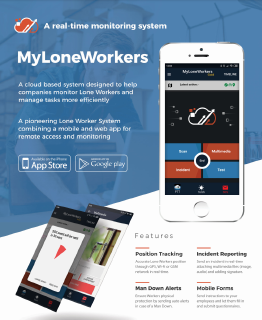
MyLoneWorkers is a comprehensive, cloud-based workforce management system designed to enhance employee safety and worker safety in field operations and field services. The platform combines a powerful web application with mobile apps for Android and iOS, ensuring maximum prevention, protection, and control for remote blue-collar teams.
It provides a full suite of safety and management tools, including:
- Man Down alerts
- SOS and external BLE panic buttons
- Welfare Checks
- Geofence alerts
- SafePass
- Asset Tracking
- Time & Attendance
- AI-powered reporting
Together, these features allow organizations to monitor, support, and safeguard employees in real time—wherever they work.
Request Your MyLoneWorkers Demo
Get hands-on with a demo account and see how MyLoneWorkers’ man down monitoring system helps you safeguard workers, manage incidents, and stay compliant.
How MyLoneWorkers Works in Real-World Field Operations
MyLoneWorkers functions as a real-time monitoring and management system for remote workers. Using NFC, Beacon, QR-code, and virtual checkpoint technology, employees interact with predefined locations and tasks directly through their smartphones.
Each interaction sends:
- Accurate location data (GPS, Wi-Fi, GSM)
- Time-stamped activity updates
- Incident or alert notifications
All data flows securely to the MyLoneWorkers web application, giving managers full visibility across multiple sites, cities, or countries. Workers can also attach photos, voice notes, written comments, and signatures—enhancing reporting accuracy and accountability.
In emergencies, pressing the SOS button immediately sends an alert with precise location details, enabling rapid response and improved worker safety outcomes.
How MyLoneWorkers Works in Real-World Field Environments
MyLoneWorkers operates as a real-time online monitoring system for blue-collar and lone workers. Using NFC, Beacon, QR-code, and virtual checkpoint technology, workers interact with predefined locations and tasks directly from their smartphones.
Each scan or interaction sends:
- Accurate GPS, Wi-Fi, or GSM location data
- Time-stamped activity updates
- Incident alerts (if triggered)
All information flows securely to the MyLoneWorkers web application, enabling managers to oversee operations across multiple sites, cities, or countries.
Field workers can also:
- Attach photos, voice notes, written notes, and signatures
- Document hazards or unsafe conditions
- Report incidents instantly
In emergencies, a single press of the SOS button sends immediate alerts with precise location details—ensuring rapid intervention and reduced injury severity.
Proactive Features That Elevate Employee Safety and Worker Safety
Man Down Alerts: Protection When Workers Cannot Act
Man Down alerts are critical for employee safety when workers collapse, fall, or become incapacitated. A wearable sensor clip detects abnormal movement or inactivity and automatically sends an alert to the Monitoring Center—ensuring help is dispatched even if the worker cannot reach their phone.
SOS and Test Alerts: Immediate Communication
With a single press, workers can confirm system connectivity through Test alerts or trigger an SOS alert during emergencies. Alerts include real-time location data and can send SMS notifications to predefined contacts, reducing response times and injury severity.
Welfare Checks: Preventing Silent Emergencies
Welfare Checks allow managers to set timed safety confirmations. If a check is missed, alerts are generated instantly, helping organizations identify potential issues before they escalate.
External BLE SOS Button: Discreet Worker Safety
In situations where smartphones are inaccessible, an external BLE panic button allows workers to send an SOS alert instantly—an essential layer of protection in high-risk or confrontational environments.
Geofence Alerts: Location-Based Risk Prevention
Geofencing defines safe and restricted zones. Alerts trigger automatically when workers enter or exit these areas, helping prevent exposure to hazards and strengthening overall employee safety controls.
SafePass: Extending Safety Beyond Employees
SafePass enables organizations to protect VIPs, clients, and visitors through a dedicated mobile application—expanding worker safety strategies beyond internal teams.
Asset Tracking: Accountability and Security
Asset Tracking ensures visibility over keys, equipment, and devices—tracking who holds what, when it was issued, and when it should be returned. This reduces operational risk and supports safer workflows.
Time & Attendance: Structured, Safer Work Patterns
Accurate tracking of working hours, breaks, and check-ins helps reduce fatigue-related risks while supporting compliance and workforce planning.
AI Reports: Smarter Safety Insights
AI Reports allow managers to ask natural-language questions such as “Which worker triggered SOS alerts today?” or “Show incidents from the last 7 days.” Instant insights help organizations continuously improve employee safety strategies.
Why Choose MyLoneWorkers for Modern Worker Safety?
Organizations choose MyLoneWorkers because it delivers:
- Reliable protection for lone workers and valuable assets
- Cloud-based deployment with no additional installation costs
- Fast setup and intuitive configuration
- Real-time monitoring regardless of location
- Automated alerts that reduce safety risks
- Improved operational efficiency and accountability
Most importantly, MyLoneWorkers transforms employee safety from a reactive obligation into a living, real-time system that supports worker safety every day.
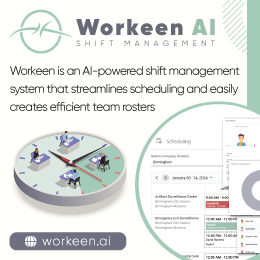
Optimize Your Scheduling with Workeen AI
Transform your workforce management with Workeen AI, the AI-powered shift management system designed to simplify scheduling for industries with round-the-clock operations. Effortlessly create efficient rosters, manage unexpected absences, and ensure fair work distribution with predictive insights and real-time updates. Boost productivity and compliance while keeping your team informed through instant communication tools.
Building a Strong Employee Safety Culture in the Field
Technology alone is not enough. The most effective worker safety programs combine:
- Clear policies and risk assessments
- Ongoing training and awareness
- Real-time monitoring and alerts
- Continuous review and improvement
When employees know they are monitored, supported, and able to call for help instantly, safety becomes part of everyday operations—not just a compliance requirement.
Frequently Asked Questions About Employee Safety and Worker Safety
What is employee safety in remote field operations?
Employee safety in remote field operations refers to the measures, policies, and technologies organizations use to protect workers who operate outside traditional workplaces. This includes lone workers, mobile teams, and field staff who may face higher risks due to isolation, unpredictable environments, and delayed emergency response.
Why is worker safety more challenging for lone and field workers?
Worker safety is more challenging for lone and field workers because they often operate without direct supervision or immediate assistance. If an incident occurs, delays in detection and response can increase injury severity. This is why real-time monitoring, automated alerts, and location tracking are essential for protecting remote workers.
How can companies improve employee safety for remote teams?
Companies can improve employee safety by adopting proactive strategies such as continuous worker monitoring, automated welfare checks, emergency alert systems, and clear escalation procedures. Combining these practices with modern safety technology helps reduce risk and ensures faster response when incidents occur.
What role does technology play in modern worker safety?
Technology plays a critical role in modern worker safety by providing real-time visibility into worker status, location, and activity. Tools such as Man Down alerts, SOS buttons, geofencing, and AI-powered reporting enable organizations to detect risks early, respond quickly, and continuously improve employee safety programs.
Are employee safety systems only necessary for high-risk industries?
No. While industries like construction, utilities, security, and maintenance face higher risks, any organization with lone or remote workers can benefit from employee safety systems. Even low-risk environments can become dangerous when workers are isolated or unable to call for help.
How does MyLoneWorkers support employee safety and worker safety?
MyLoneWorkers supports employee safety and worker safety through a cloud-based platform that offers real-time monitoring, automated alerts, welfare checks, geofence alerts, panic buttons, and AI-driven insights. These features help organizations protect workers, reduce incident severity, and strengthen compliance across remote operations.
How does proactive employee safety benefit organizations?
Proactive employee safety reduces incidents, minimizes downtime, improves compliance, and builds trust with workers. Organizations that invest in worker safety also benefit from higher productivity, improved morale, and stronger operational resilience.
Test MyLoneWorkers for Free
Discover how MyLoneWorkers protects lone and field workers with man down alarms, real-time monitoring, and automated safety alerts. No installation or commitment required.
Elevating Employee Safety in Remote Field Operations
Employee safety in remote field operations is no longer optional—it is a strategic priority. As field teams grow and environments become more complex, organizations must adopt proactive worker safety solutions that provide visibility, automation, and rapid response.
By combining real-time monitoring, intelligent alerts, location awareness, and AI-driven insights, MyLoneWorkers helps organizations protect their people, strengthen compliance, and build confidence across their workforce.
Start protecting your remote and field workers today.
Book a demo to see how MyLoneWorkers’ Man Down alarm systems support real-time monitoring and faster emergency response, or contact our team tto discover how a modern lone worker solution can elevate employee safety, strengthen worker safety practices, and deliver lasting compliance and peace of mind across your organisation.
About MyLoneWorkers
MyLoneWorkers innovative system reduces the risks and guarantees that every lone worker returns home safely after carrying out their tasks at work which is one of the most basic responsibilities for an employer. It is a real time lone worker monitoring system which skyrockets the efficiency of lone workers’ safety and the completion of their tasks offering them the ability to increase their productivity via technology.