How Man Down Alarm Systems Improve Safety for Lone and Field Workers
Table of Contents
- Why Lone and Field Workers Are at Higher Risk
- What Is a Man Down Alarm System?
- How Man Down Alarm Systems Improve Worker Safety
- Man Down Alarm Devices: More Than Just Wearables
- The Role of Cloud-Based Monitoring Systems
- Beyond Man Down Alarms: A Complete Safety Ecosystem
- Data, Reporting, and Smarter Decisions with AI
- Compliance, Accountability, and Peace of Mind
- Choosing the Right Man Down Alarm System
- Real-World Use Cases: Where Man Down Alarm Systems Make the Biggest Impact
- Turning Safety Data Into Continuous Improvement
- Final Thoughts: Safety That Works When It Matters Most
Lone and field workers face unique safety challenges every day. Whether working in remote locations, hazardous environments, or outside normal supervision, these employees are often exposed to risks that require immediate response when something goes wrong. This is where a man down alarm system plays a critical role.
Modern man down alarms are no longer simple panic buttons. They are intelligent, automated safety solutions designed to detect incidents, alert monitoring teams, and ensure rapid response—even when a worker cannot call for help themselves. In this guide, we explore how man down alarm systems improve safety for lone and field workers, what to look for in a solution, and how platforms like MyLoneWorkers support organizations in protecting their workforce.
Why Lone and Field Workers Are at Higher Risk
Lone workers are employees who perform their duties without close or direct supervision. Common examples include:
 Field service technicians
- Security guards
- Utility and maintenance workers
- Construction staff
- Healthcare and social care professionals
- Delivery and logistics personnel
These roles often involve working at night, in isolated areas, or in physically demanding conditions. If an accident occurs—such as a fall, sudden illness, or loss of consciousness—the worker may be unable to trigger a manual SOS alert.
This is exactly the scenario lone worker man down alarm technology is designed to address.
What Is a Man Down Alarm System?
A man down alarm system is a safety solution that automatically detects when a worker has fallen, collapsed, or remained motionless for a predefined period of time. When such an event is detected, the system sends an alert to a monitoring center or designated managers so that immediate action can be taken.
Unlike manual panic buttons, a man down monitoring system does not rely solely on the worker’s ability to react. Instead, it uses motion sensors, tilt detection, and inactivity timers to identify potential emergencies.
For a deeper technical breakdown of how man down detection works, we recommend reading our pillar article: Man Down Functionality Explained.
How Man Down Alarm Systems Improve Worker Safety
1. Automatic Emergency Detection
One of the biggest advantages of man down alarms is automation. If a worker slips, collapses, or becomes unconscious, the alarm is triggered automatically—without requiring any action from the worker.
This is especially important in situations involving:
- Falls from height
- Sudden medical events
- Fatigue-related incidents
- Slips in confined or hazardous spaces
Automation significantly reduces response time and increases the chances of a positive outcome.
2. Real-Time Alerts and Faster Response
A modern man down alarm system sends alerts instantly to a central platform, providing:
- Exact location data (GPS, Wi-Fi, GSM)
- Timestamp of the incident
- Worker identification
- Type of alert (man down, SOS, missed welfare check)
With platforms like MyLoneWorkers, these alerts are delivered in real time to the web application, allowing managers and monitoring staff to coordinate an immediate response.
3. Reliable Protection When Manual SOS Isn’t Possible
In many emergencies, workers cannot access their phones. This is why man down alarm devices—such as wearable sensor clips or external BLE panic buttons—are critical.
MyLoneWorkers supports:
- Sensor-based Man Down alerts
- External BLE SOS buttons
- Smartphone-based emergency alerts
This multi-layered approach ensures protection even when one method is unavailable.
Request Your MyLoneWorkers Demo
Get hands-on with a demo account and see how MyLoneWorkers’ man down monitoring system helps you safeguard workers, manage incidents, and stay compliant.
Man Down Alarm Devices: More Than Just Wearables
Today’s man down alarm devices come in different forms, each designed to suit specific operational needs:
- Sensor clips attached to uniforms
- Smartphone-based detection using built-in sensors
- Smartphone-based detection using built-in sensors
- Integrated cloud platforms for centralized monitoring
The key is not the device alone, but how it integrates into a broader man down monitoring system.
The Role of Cloud-Based Monitoring Systems
A man down alarm is most effective when paired with a cloud-based workforce management platform. This allows organizations to:
- Monitor workers in real time
- Receive and manage incidents centrally
- Track historical safety data
- Generate reports for compliance and audits
How MyLoneWorkers Supports Man Down Monitoring
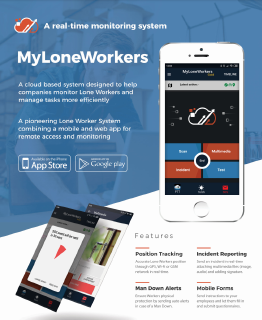
MyLoneWorkers is a comprehensive cloud-based workforce management system designed specifically for field operations and remote blue-collar workers. It combines mobile and web applications to deliver maximum prevention and protection.
Key capabilities include:
- Real-time incident notifications
- Secure cloud infrastructure
- Global monitoring without additional hardware installations
- Easy setup and configuration
Beyond Man Down Alarms: A Complete Safety Ecosystem
While man down alarms are essential, true worker safety requires a holistic approach. MyLoneWorkers complements its man down functionality with a full suite of safety tools.
- Welfare Checks: Scheduled welfare checks ensure workers confirm their safety at regular intervals. Missed checks automatically trigger alerts.
- SOS & Test Alerts: Workers can send instant SOS alerts or test system readiness, with optional SMS notifications to multiple contacts.
- Geofence Alerts: Managers are notified if workers scan checkpoints outside predefined safe areas.
- External BLE SOS Buttons: When smartphones aren’t accessible, workers can send alerts using wearable panic buttons.
- Trail Workers: Automatically track and visualize worker routes, helping managers understand movements and respond faster during incidents.
Schedule a 15-Minute Call with Us
Speak with our team to discuss your lone worker safety needs and learn how MyLoneWorkers can support your workforce with reliable man down alarm solutions.
Data, Reporting, and Smarter Decisions with AI
One of the challenges with traditional man down monitoring systems is extracting actionable insights from safety data. MyLoneWorkers addresses this with its AI Assistant.
Managers can ask questions like:
- “Show all man down alerts from the last 7 days”
- “Which worker triggered the most SOS alerts this month?”
This allows organizations to:
- Identify risk patterns
- Improve safety policies
- Make data-driven decisions faster
Compliance, Accountability, and Peace of Mind
Implementing a lone worker man down alarm solution is not only about emergency response—it also helps organizations demonstrate duty of care.
Benefits include:
- Documented incident history
- Improved compliance with health & safety regulations
- Reduced liability
- Increased employee confidence and morale
Workers feel safer knowing they are monitored and supported, even when working alone.
Choosing the Right Man Down Alarm System
When evaluating man down alarms, consider the following:
- Does the system offer automatic detection, not just manual SOS?
- Can alerts be monitored in real time?
- Is location data accurate and reliable?
- Does it integrate with other safety features?
- Is the platform easy to use for both workers and managers?
A solution like MyLoneWorkers combines all these elements into a single, scalable system.
Optimize Your Scheduling with Workeen AI
Transform your workforce management with Workeen AI, the AI-powered shift management system designed to simplify scheduling for industries with round-the-clock operations. Effortlessly create efficient rosters, manage unexpected absences, and ensure fair work distribution with predictive insights and real-time updates. Boost productivity and compliance while keeping your team informed through instant communication tools.
Real-World Use Cases: Where Man Down Alarm Systems Make the Biggest Impact
While man down alarm systems are valuable across many industries, their true impact becomes most evident in real-world, high-risk scenarios. Understanding where and how these systems are used helps organizations better assess their own safety needs and highlights why automated protection is essential for lone and field workers.
Security and Night Patrol Operations
Security guards often work alone, during night shifts, and across large or isolated properties. These conditions significantly increase the risk of undetected incidents such as slips, physical altercations, or medical emergencies.
With a lone worker man down alarm, security personnel are protected even if they are unable to reach their phone. Automatic alerts triggered by a fall or prolonged inactivity immediately notify the monitoring center, allowing supervisors to:
- Verify the situation in real time
- Dispatch assistance quickly
- Review patrol routes and checkpoints through historical data
This level of oversight improves both worker safety and operational accountability.
Utilities, Maintenance, and Technical Field Services
Utility workers and maintenance technicians frequently operate in confined spaces, remote locations, or hazardous environments such as substations, basements, rooftops, and industrial sites.
A man down monitoring system is especially valuable in these settings because:
- Falls or collapses may go unnoticed for long periods
- Environmental hazards increase injury risk
- Workers may not have consistent mobile connectivity
By combining man down alarm devices with cloud-based monitoring, companies ensure that incidents are detected and escalated automatically, even in challenging conditions.
Construction and Infrastructure Projects
Construction sites are dynamic, fast-paced, and often dangerous. Workers may be spread across large areas, moving between tasks and levels throughout the day.
In this context, man down alarms provide:
- Continuous safety monitoring without disrupting workflows
- Automated incident detection in high-risk zones
- Location data that helps emergency teams respond faster
When paired with features like geofencing and route tracking, safety teams gain a clearer understanding of where incidents occur and how risks can be reduced over time.
Healthcare, Social Care and Home Visits
Lone healthcare professionals and social workers regularly conduct home visits, often entering unfamiliar or unpredictable environments.
A man down alarm system supports these workers by:
- Offering silent, automatic alerts in case of distress
- Reducing reliance on manual SOS activation
- Providing reassurance that help can be summoned even if communication is not possible
This improves confidence for workers and demonstrates a strong duty of care from employers.
Logistics, Transportation, and Remote Deliveries
Drivers and delivery personnel may experience fatigue, accidents, or sudden medical issues while on the road or at isolated delivery locations.
Using man down alarm devices integrated with a centralized platform allows organizations to:
- Monitor worker status in real time
- Respond quickly to roadside incidents
- Maintain visibility across distributed teams
Over time, collected data can also help identify risk patterns related to routes, schedules, or workloads.
Test MyLoneWorkers for Free
Discover how MyLoneWorkers protects lone and field workers with man down alarms, real-time monitoring, and automated safety alerts. No installation or commitment required.
Turning Safety Data Into Continuous Improvement
One often overlooked benefit of man down monitoring systems is the valuable safety data they generate. Every alert, welfare check, and incident creates insights that organizations can use to improve operations.
With platforms like MyLoneWorkers, managers can:
- Analyze incident trends by role, location, or shift
- Identify recurring hazards
- Adjust procedures, training, or staffing levels
- Strengthen compliance and audit readiness
This transforms man down alarms from a reactive safety tool into a proactive risk management strategy.
Final Thoughts: Safety That Works When It Matters Most
A man down alarm system can make the difference between a minor incident and a serious outcome. For lone and field workers, automatic detection, real-time alerts, and centralized monitoring are no longer optional—they are essential.
By combining man down alarms, cloud-based monitoring, and complementary safety tools, organizations can create a safer, more responsive working environment.
If you want to understand the technical foundations behind man down detection in more detail, be sure to read our in-depth guide: Man Down Functionality Explained.
Start protecting your lone and field workers today. Book a demo to see how MyLoneWorkers’ man down alarm systems support real-time monitoring and faster emergency response, or contact our team to learn how a modern lone worker application can strengthen safety, compliance, and peace of mind across your organisation.
About MyLoneWorkers
MyLoneWorkers innovative system reduces the risks and guarantees that every lone worker returns home safely after carrying out their tasks at work which is one of the most basic responsibilities for an employer. It is a real time lone worker monitoring system which skyrockets the efficiency of lone workers’ safety and the completion of their tasks offering them the ability to increase their productivity via technology.